
EUMETSAT is preparing Copernicus Sentinel-3C
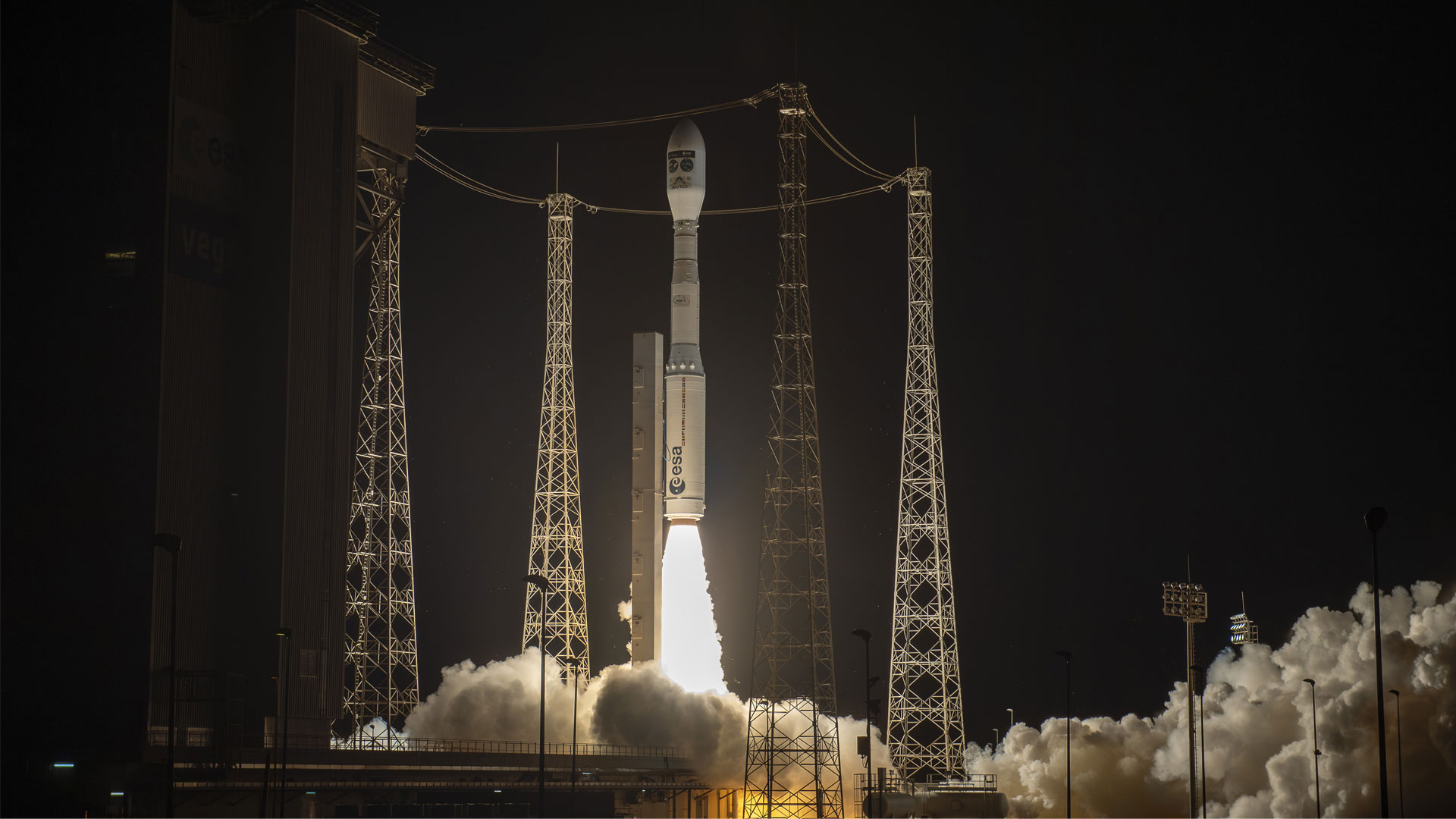
EUMETSAT is preparing Sentinel-3C to replace Sentinel-3A and maintain the Copernicus mission’s long-term observing continuity into the 2030s. The launch is planned for later in 2026, but no specific day has been announced.
A staged transition for Sentinel-3
EUMETSAT published and updated a feature on 30 July 2026 profiling Estelle Obligis, the agency’s Marine Applications Competence Area Manager and deputy head of its science division. Obligis coordinates the scientific teams working on Sentinel-3 and supports preparations for the Sentinel-3C launch.
The current timetable remains broad. Sentinel-3C is expected later in the year, while teams continue preparing the replacement alongside the operation of Sentinel-3A and Sentinel-3B, both of which are currently in orbit. The incoming satellite is therefore part of an ongoing mission sequence, rather than an immediate switch from one spacecraft to another.
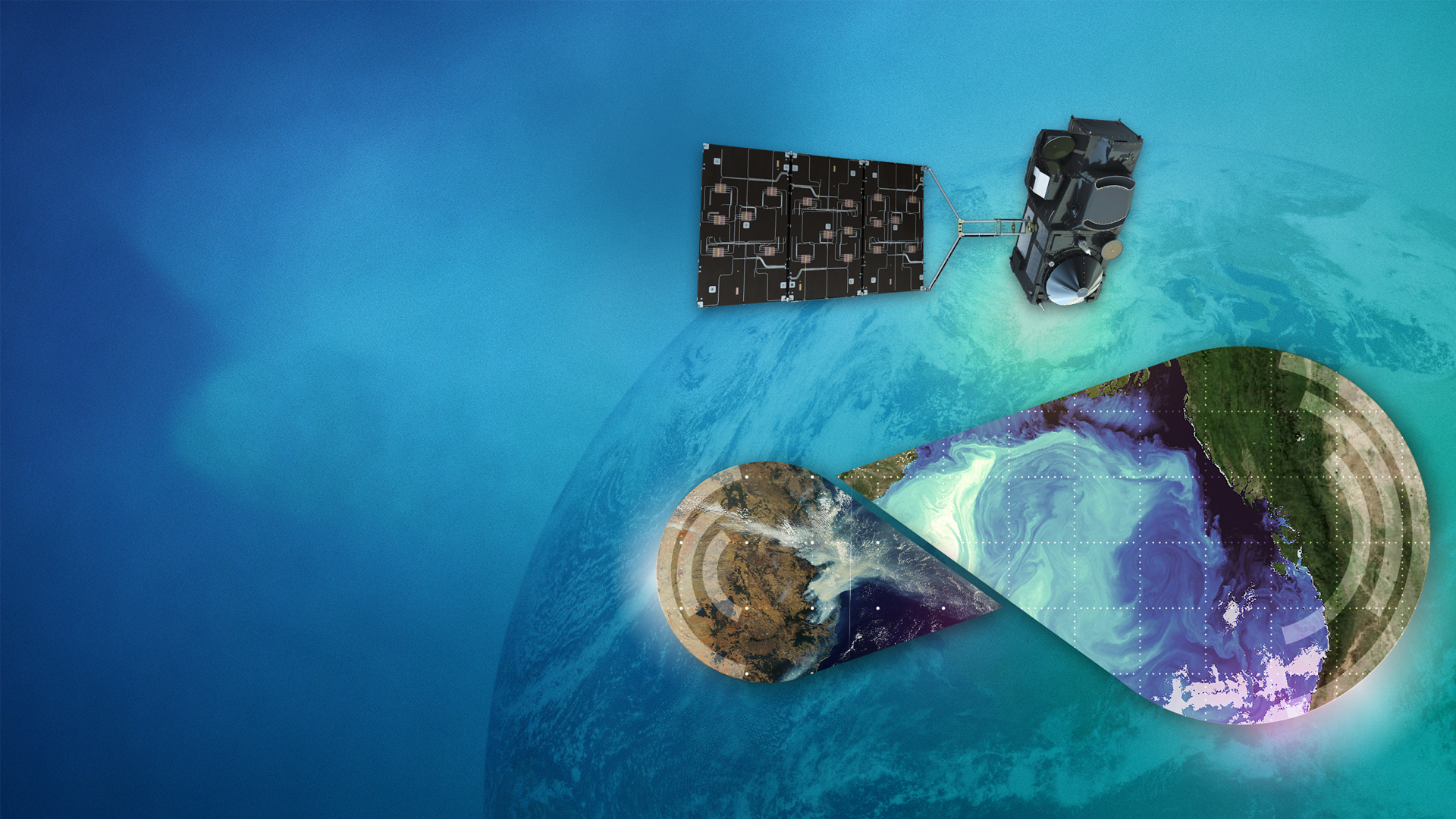
That parallel work matters because Sentinel-3 depends on repeated observations over time. Its three main instruments collect information about the ocean and atmosphere, including chlorophyll concentration, sea level, surface wind, waves and sea-surface temperature. These measurements feed ocean-forecasting models and support maritime safety and climate monitoring.
From raw measurements to usable data
Sentinel-3C will not produce finished geophysical information the moment it observes Earth. EUMETSAT’s scientific teams are preparing algorithms to convert raw measurements into quality-controlled products, including surface wind speed, chlorophyll concentration and the radiative power of vegetation fires.
Those products are checked against ground measurements and observations from other satellites. They are also updated as scientific methods improve and user needs change. This gives Sentinel-3C a role in an established data chain, but it also makes clear that the launch is only one milestone in the process.
The Copernicus Marine Service is among the cited users of Sentinel-3 data. Within the Copernicus programme, it is implemented by Mercator Ocean International. The Copernicus Atmosphere Monitoring Service is another user and is implemented by the European Centre for Medium-Range Weather Forecasts.
Calibration comes after the launch
Once Sentinel-3C reaches orbit and returns its first observations, its instruments will still need fine calibration before they can produce mature products. For ocean forecasters, maritime safety applications and climate-monitoring teams, that means the practical benefits will arrive through a sequence of operational steps rather than all at once.
The immediate change is the planned addition of a replacement for Sentinel-3A within a mission intended to remain active into the 2030s. Existing Sentinel-3 operations continue in the meantime, algorithms are being prepared, and the new instruments must be calibrated against independent observations.
Sentinel-3C is best understood as a continuity mission with a staged transition. EUMETSAT has confirmed preparation work and a launch later in 2026; the exact launch date and the quality of the first operational products will be established only after the satellite is in orbit.