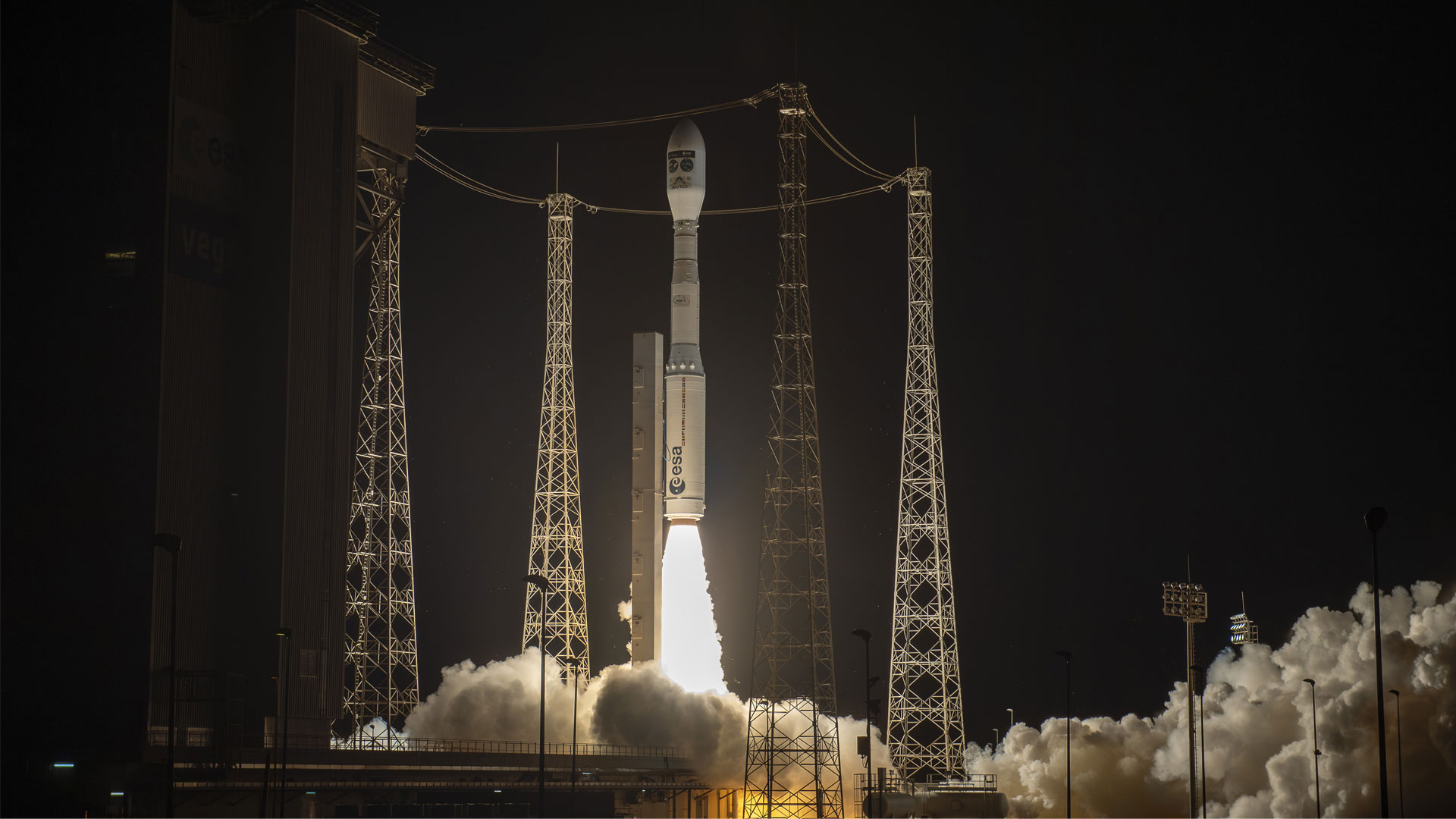
Copernicus Sentinel-3C launched successfully from Europe’s Spaceport in Kourou, French Guiana, aboard a Vega-C rocket at 03:21 CEST on 15 September 2026. The mission now moves into its next phase: the satellite must be prepared before it can join the operational Sentinel-3 fleet.
Flight control teams acquired Sentinel-3C’s signal shortly after liftoff. As EUMETSAT reported, this confirmed that the satellite had separated from its launcher, while the deployment of its solar panel was also confirmed. Those milestones mark a successful start, but they do not yet represent the satellite’s operational handover.
Sentinel-3C still has to enter service
In the coming months, Sentinel-3C must be maneuvered into the planned configuration alongside Sentinel-3A and Sentinel-3B. Once commissioning is complete, it is expected to take over Sentinel-3A’s role.
That sequence matters for interpreting the launch. Sentinel-3C is not replacing Sentinel-3A immediately; the transition depends on the necessary maneuvers and on commissioning being completed. Until then, the mission remains in the phase between launch and its intended operational role.
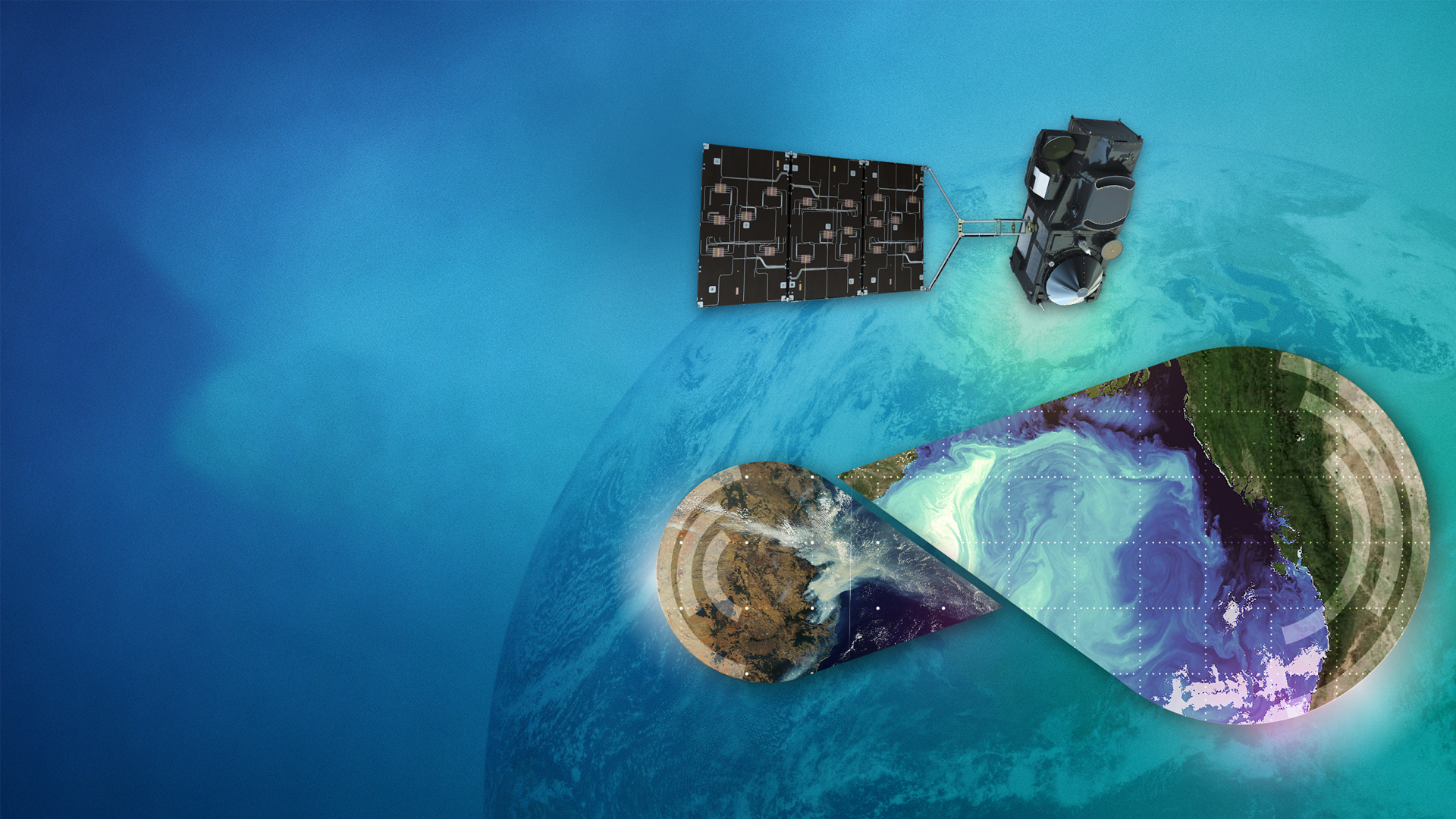
What Sentinel-3C is meant to observe
The satellite’s instruments are focused on environmental measurements with direct uses across the Copernicus programme. They monitor sea-level elevation and sea-ice extent, measure temperatures over land and ocean, and provide observations that can help identify heatwaves and assess the intensity of vegetation fires.
These observations support several services. Sentinel-3 data feed Copernicus marine, atmospheric, land, climate and emergency services, linking the satellite’s measurements to monitoring work across oceans, land surfaces, ice and the atmosphere.
A launch aimed at preserving a long-term record
The wider significance of the mission is continuity. EUMETSAT says Sentinel-3C’s data are intended to maintain observations of the ocean, land, ice and atmosphere into the 2030s. The goal is therefore broader than adding another spacecraft: the satellite is being positioned to help preserve a long-running monitoring record used by multiple Copernicus services.
For now, the confirmed change is the successful beginning of that transition, with signal acquisition, separation and solar-panel deployment reported after launch. Sentinel-3C’s operational role remains ahead, subject to the planned maneuvers and commissioning. Its eventual handover is expected to extend the Sentinel-3 mission’s environmental observations into the next decade.