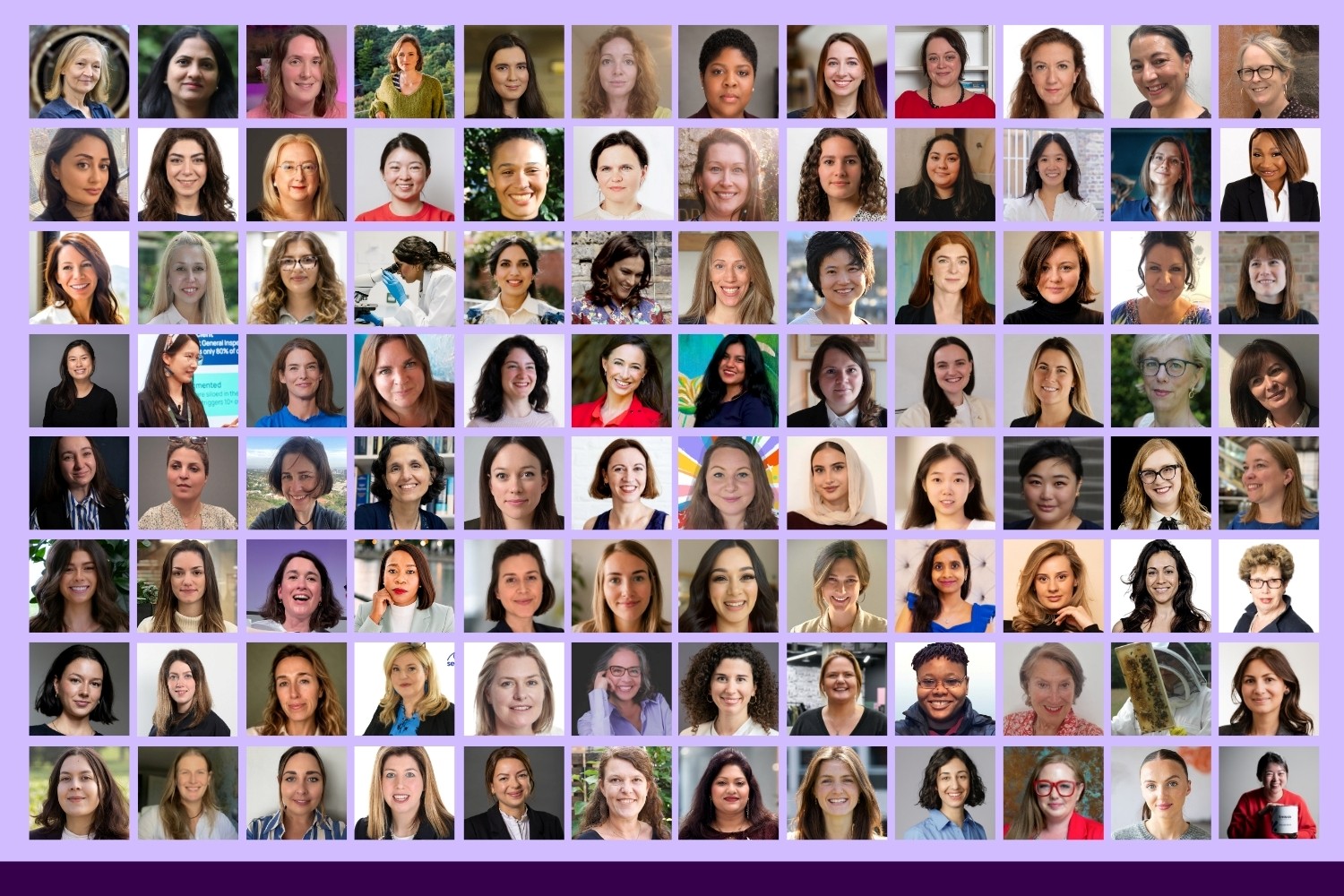
Innovate UK announced on 5 August 2026 that 100 women founders had formed the largest cohort in the history of its Women in Innovation programme. The businesses span advanced manufacturing, digital and technology, and life sciences. Several are developing ideas connected to the transition toward net zero, from alternatives to plastic foam and new uses for algal biomass to bee protection and more efficient manufacturing.
The funding is not distributed equally across the cohort. Sixty-one founders will receive a £75,000 grant, together with 12 months of tailored support, training, networking and mentoring. The other 39 candidates, described in the announcement as highly commended, will receive the same 12-month support programme but are not included among the grant recipients. That distinction is the practical detail behind the headline number: 100 founders gain structured assistance, while 61 also receive direct financial backing.
Several projects target environmental pressures
Elizabeth Lee, founder of Carbon Cell, is developing one of the cohort’s clearest climate-related examples. Innovate UK describes the company’s expandable, biochar-based foam as a carbon-negative alternative to conventional plastic foams used in packaging and insulation. The intended benefit is twofold: helping manufacturers reduce plastic waste while sequestering carbon for centuries.
At Algaenic, founder Dr Allen-Adebayo is working with biomass recovered from harmful algal blooms. The project converts that material into sustainable fuels and materials, placing a waste stream associated with an environmental problem at the centre of a materials and energy approach.
The other named examples focus on resilience and production. Maggie Gill, founder of PHIRA-Science, is developing a climate-adapted treatment designed to protect honeybees from the emerging threat of parasitic mites. Yining Shen, founder of ProMaterial, uses artificial intelligence to help manufacturers produce higher-quality precision magnets with less waste.
What this cohort does—and does not—show
The programme gives these founders access to a year of assistance, but the announcement does not present the projects as completed climate solutions. It describes innovations under development that could support the net-zero transition; it does not report measured emissions reductions already delivered by the companies named.
That matters for how the cohort should be read. Manufacturers, materials developers and organisations concerned with bee health can identify projects relevant to their own environmental pressures, but the announcement alone cannot establish which approaches will reach durable use or produce demonstrable environmental benefits. The immediate result is support for development, not proof that any one intervention has already changed outcomes at scale.
Since the awards began in 2016, Women in Innovation has invested more than £15 million in 260 innovators, according to Innovate UK’s announcement. This year’s cohort brings plastic waste, carbon storage, harmful algal biomass, pollinator protection and manufacturing waste into the same public innovation programme.
The next meaningful measure will be whether the supported ideas move beyond development and deliver lasting environmental benefits. For now, the confirmed change is the programme’s reach: 100 women founders receive 12 months of support, and 61 of them also receive £75,000 in grant funding.