EUMETSAT’s February 10, 2026 analysis describes how satellite data support Copernicus in monitoring air quality and atmospheric composition. The work belongs to the Copernicus Atmosphere Monitoring Service (CAMS), implemented by the European Centre for Medium-Range Weather Forecasts for the European Commission.
The monitoring has a direct public-health dimension. EUMETSAT says air pollution causes more than 1,200 premature deaths each year among people under 18 in countries that are members of or cooperate with the European Environment Agency. Satellite observations do not replace every other form of monitoring, but they give CAMS repeated measurements that can be used across a wider atmospheric picture.
How satellite observations become atmospheric analysis
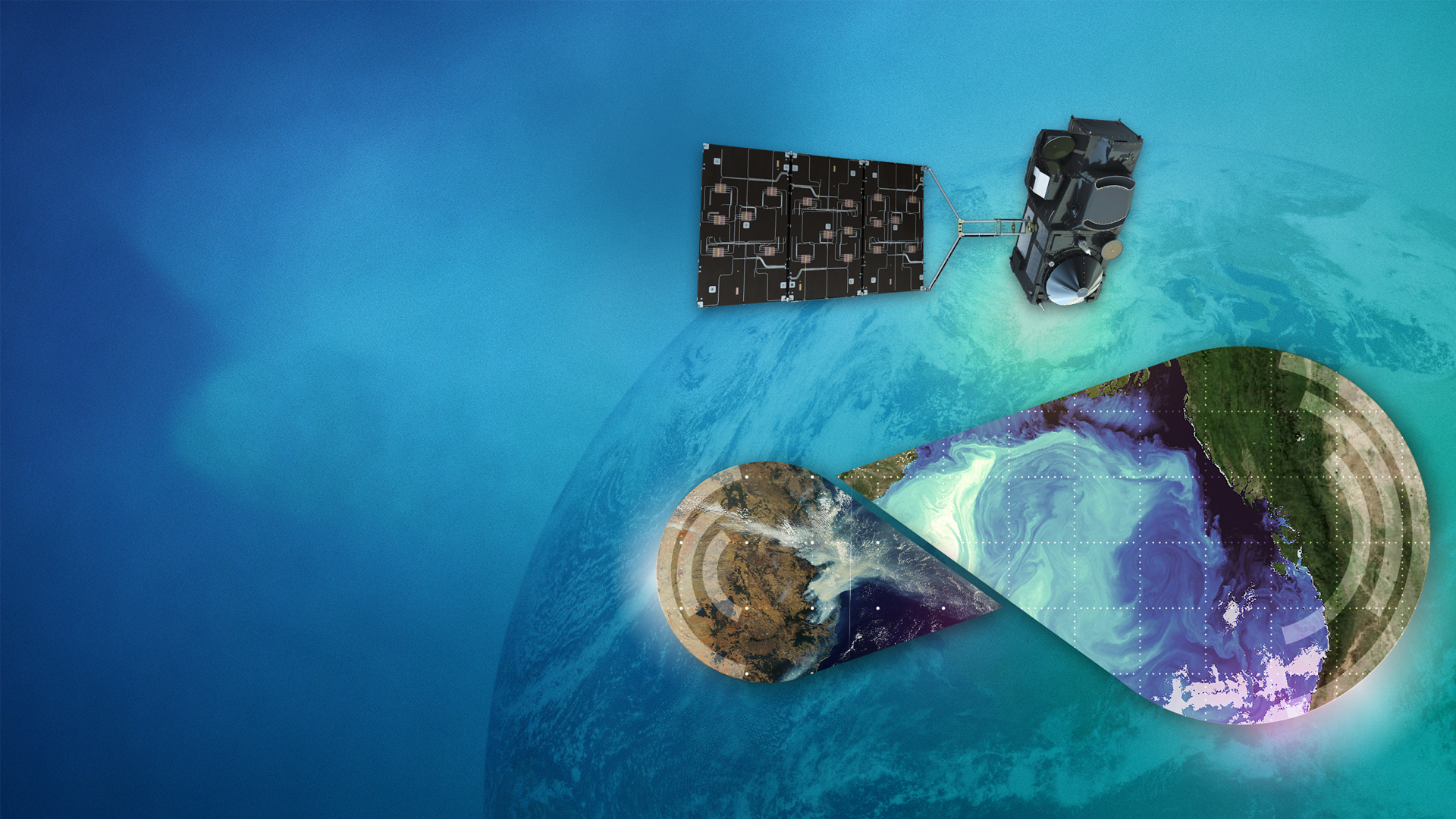
CAMS operates systems designed to understand, forecast and analyse changes in atmospheric composition. EUMETSAT provides data from both geostationary and polar-orbiting satellites, measuring aerosols and trace gases. Using observations gathered from different orbital positions allows the service to follow several atmospheric signals instead of relying on a single snapshot.
That data supports a range of applications. EUMETSAT cites wildfire monitoring as well as the tracking of methane and carbon dioxide. These are distinct monitoring tasks, but they depend on the same basic contribution from space: measurements that help identify changes in atmospheric composition over time.
Sentinel-4 and Sentinel-5 cover different parts of the system
Copernicus Sentinel-4 is planned to measure aerosols, nitrogen dioxide, sulphur dioxide and ozone from the Meteosat Third Generation Sounder 1 satellite. Its planned observations represent the geostationary component described in EUMETSAT’s analysis.
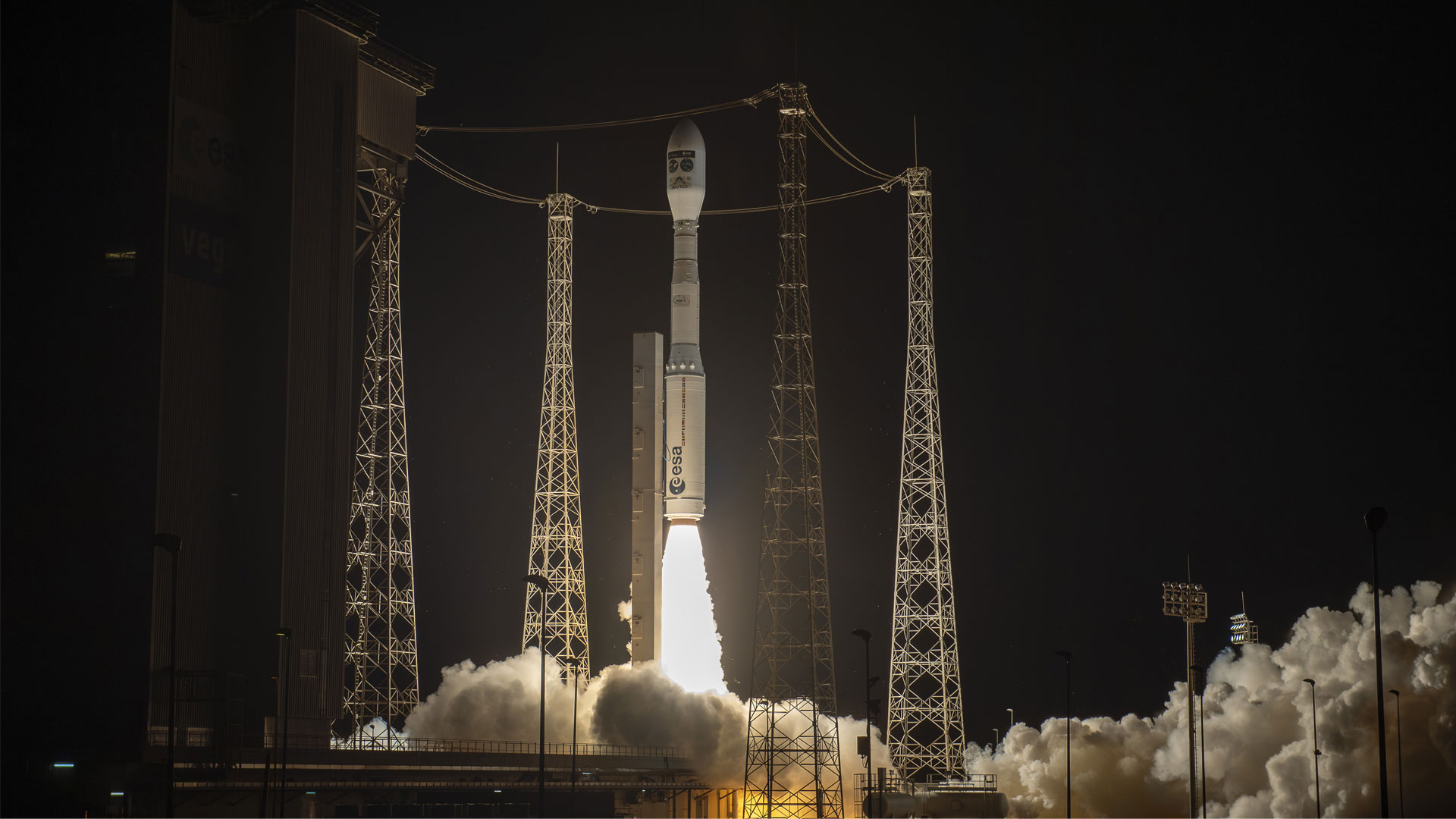
Copernicus Sentinel-5 will provide complementary measurements from low Earth orbit aboard Metop Second Generation A1. Its observations will include methane and carbon monoxide. Metop-SGA1 launched from Kourou on August 13, 2025, at 02:37 CEST, while the first image presented for its 3MI instrument is dated August 28, 2025.
The instruments therefore have different roles within the broader observing architecture. Sentinel-4 is associated with geostationary measurements of several pollutants, while Sentinel-5 contributes low-Earth-orbit observations, including gases such as methane and carbon monoxide. The distinction matters because the satellites are not presented as interchangeable sources of the same measurement.
Methane monitoring is already using TROPOMI
For methane monitoring today, CAMS’s Methane Hotspot Explorer uses observations from the TROPOMI instrument aboard Copernicus Sentinel-5 Precursor. That existing service provides a current example of how satellite measurements are turned into a monitoring tool, alongside the planned Sentinel-4 and Sentinel-5 capabilities.
The result is a layered system: different instruments supply observations for particular gases and atmospheric signals, and CAMS uses those observations in systems for understanding, forecasting and analysing composition changes. The value lies in combining the measurements, while the limits remain tied to what each instrument is designed to observe.
CO2M is the next planned expansion
The first satellite of the Copernicus Anthropogenic Carbon Dioxide Monitoring mission, known as CO2M, is scheduled for launch in 2027. It will join the existing and planned Sentinel observations described by EUMETSAT, extending the monitoring architecture as new mission elements become available.
For readers following air quality from space, the immediate picture is one of an expanding network rather than a single new instrument replacing the rest. CAMS already uses TROPOMI for its methane hotspot service; Sentinel-4 and Sentinel-5 define additional planned contributions; and CO2M remains scheduled for 2027. The specific role of each mission is what determines which atmospheric signal it can add to the overall analysis.