The European Space Agency’s programme for ILA Berlin 2026 placed Earth observation, resilience and climate among the central themes of the space pavilion. ILA Berlin 2026 was scheduled for 10–14 June 2026 at Berlin Brandenburg Airport, with professional sessions during the first three days and public access during the final two.
The pavilion was coordinated by the German Aerospace Industries Association (BDLI), the German Aerospace Center (DLR) and ESA, under the patronage of Germany’s Federal Ministry of Research, Technology and Space (BMFTR). Its announced themes were “Imagine”, “Autonomy and Resilience”, “Exploration and Discovery”, “Technology and Operations” and “Planet and Climate”. Together, they connected long-term exploration with the practical role of space systems in understanding and responding to conditions on Earth.
Earth observation was framed as an operational tool
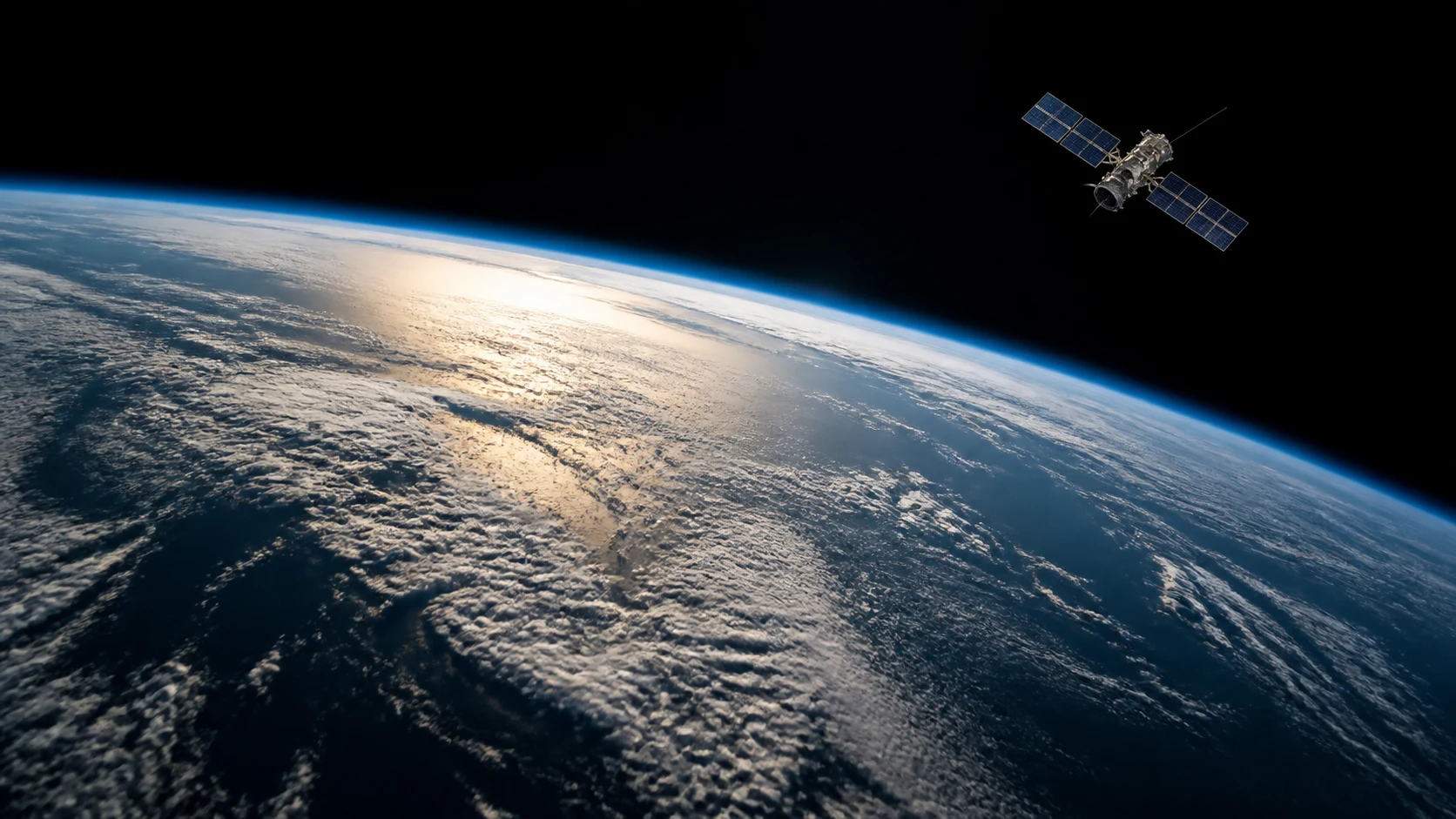
The clearest environment-related signal was the roundtable “From Earth Observation to Actionable Intelligence”, scheduled for 10 June from 16:30 to 17:15 CEST. Simonetta Cheli, ESA’s director of Earth observation programmes, was due to take part. The session’s emphasis was significant: satellite data was presented not only as a record of environmental conditions, but as information that can be turned into intelligence to support decisions and action.
A second Earth-focused session was scheduled for 11 June from 11:00 to 12:00 CEST. The German-Italian forum was set to address resilient Earth observation and secure EU connectivity, with Giampiero di Paolo, Josef Aschbacher and Walther Pelzer listed as participants. Its scope brought two connected questions into the same discussion: how Europe observes changes on Earth, and how resilient the communications systems must be to deliver and use that information.
A programme shared between professionals and the public
The official opening of the space pavilion was scheduled for 10 June from 10:15 to 11:00 CEST. Dorothee Bär, Josef Aschbacher, Walther Pelzer, Anke Kaysser-Pyzalla, Matthias Maurer, Alexander Gerst and Marc Steckling were listed for the event. ESA said the opening was due to be streamed on ESA Web TV.
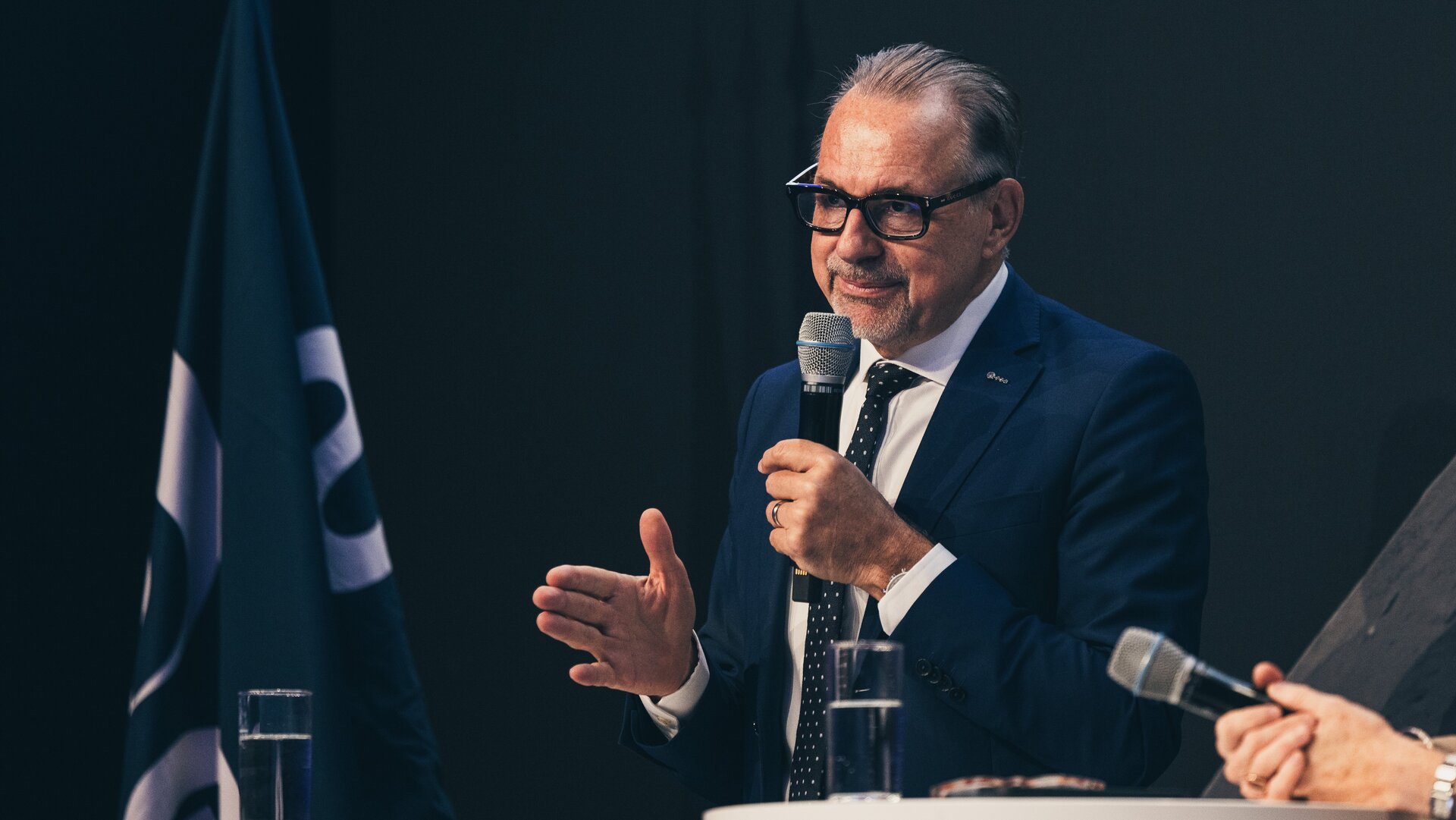
A media briefing with Aschbacher was also scheduled for 11 June from 09:15 to 10:00 CEST and announced as a live ESA Web TV event. ESA’s official video page records that Aschbacher briefed media representatives and discussed European priorities in space, exploration, resilience and the future of Europe’s space sector. ESA directors and astronauts were also expected to take part in programme events and be available for interviews.
That division of access mattered for visitors. The final two days were intended for the wider public, while the programme did not establish that every professional session or media briefing would be open to all attendees. Journalists had to register for media accreditation through the ILA Berlin website, and the schedule was published in CEST.
What the schedule did—and did not—promise
ESA directed attendees to the full ILA programme for updates because the running order remained subject to change. The announced sessions therefore provided a clear outline of the event’s priorities without guaranteeing that every listed detail would remain unchanged.
ILA Berlin 2026 offered a meeting point for aerospace professionals, policymakers, journalists and the public around European space priorities. Its strongest environment-related thread was the move from Earth-observation data toward actionable intelligence, alongside discussion of the resilience and connectivity needed to make that information useful. The public-facing element broadened access to the programme, but it did not erase the distinction between the event’s professional schedule and its final two days of public entry.