The European Southern Observatory (ESO) has reported that AES Andes has withdrawn from the proposed INNA megaproject, which was planned near the Paranal Observatory in Chile. The project was described as an initiative involving green hydrogen and green ammonia. The decision matters to astronomy because an ESO technical analysis concluded that INNA would cause serious and irreversible damage to Paranal’s dark sky.
This article reviews the verified record available from the ESO’s report. It is a source-based editorial review, not a product test or a first-hand account. No physical product, software service or consumer experience is being assessed. The conclusion below is therefore limited to what the cited official material establishes about the proposed development and its potential effect on the observatory environment.
What changed
According to the ESO, AES Andes announced its withdrawal from INNA. The ESO dated its report to 2 February 2026. A letter from AES Andes to Chile’s Environmental Assessment Service, or SEA, sent on 6 February 2026, formally confirmed that the project would not go ahead. The record therefore describes a change in the project’s status: INNA was proposed, assessed by the ESO in relation to Paranal, and then formally discontinued by the project’s developer.
The available facts do not turn that announcement into a wider account of Chile’s energy policy or of the future of green hydrogen and green ammonia. They support a narrower finding. A specific project planned near an astronomical observatory will not proceed, and the ESO’s stated reason for concern was the risk posed to the observatory’s dark-sky conditions.
Why Paranal’s sky was central
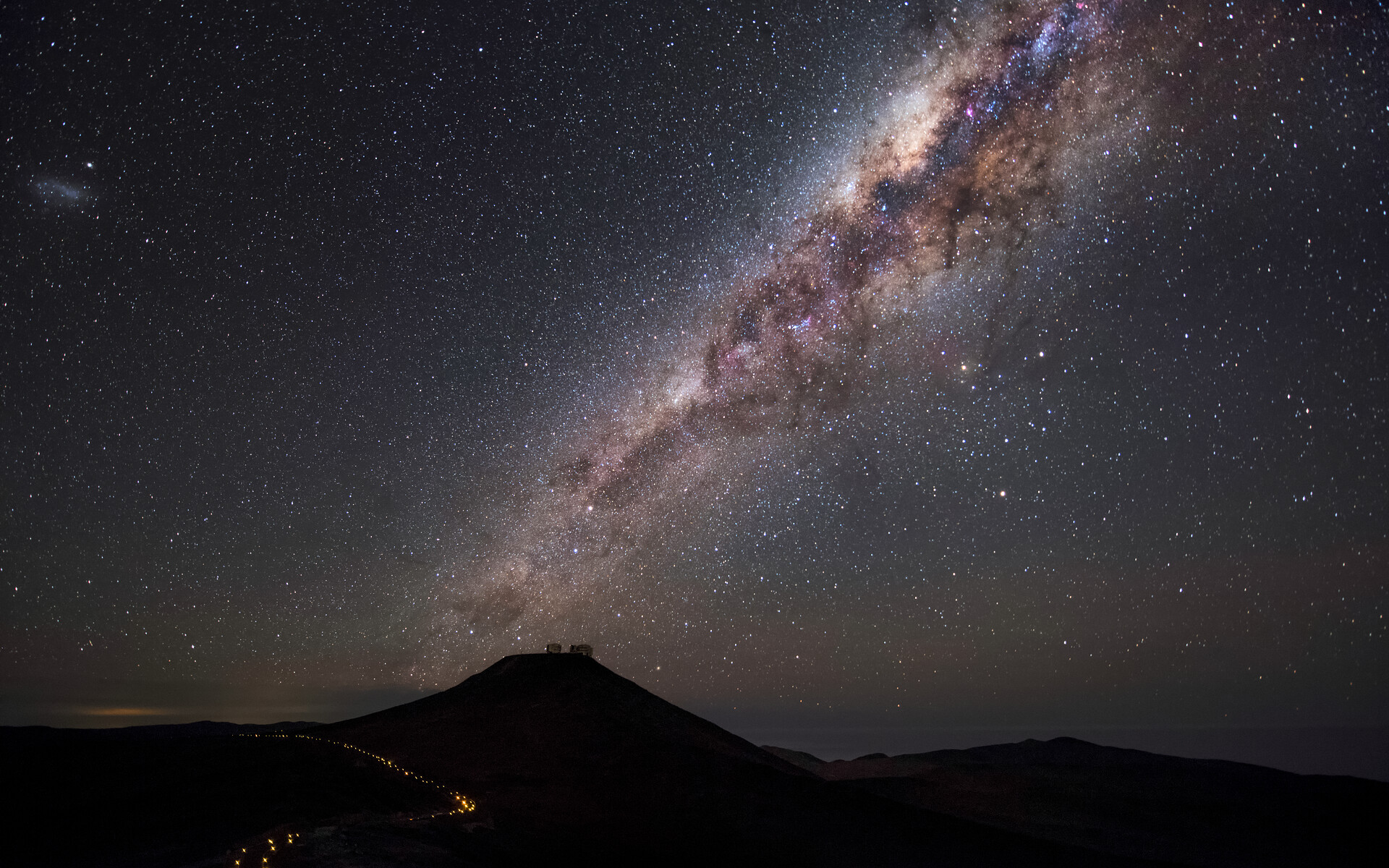
Dark skies are part of the observing environment on which astronomical facilities depend. In this case, the ESO’s technical analysis concluded that the proposed INNA project would cause serious and irreversible damage to the dark sky of Paranal. That is the strongest technical conclusion in the source record, and it provides the central basis for this review.
The ESO identified light pollution as one important potential impact. Artificial light near an observatory can alter the darkness of the surrounding sky, which is directly relevant to observations. The analysis also identified micro-vibrations, dust and increased air turbulence as important potential impacts. These concerns are distinct but connected: the source record presents them as environmental or operational pressures that could affect the conditions around Paranal.
The wording matters. The ESO did not merely describe an aesthetic disagreement about the appearance of the night sky. Its technical analysis characterized the potential damage as serious and irreversible. The report also grouped several possible effects together rather than reducing the issue to a single source of disruption. Light pollution, micro-vibrations, dust and increased air turbulence were all identified as important potential impacts associated with INNA.
What the withdrawal establishes
The formal letter to the SEA is important because it confirms the project’s outcome through a documented administrative communication. The available record says the letter confirmed that INNA would not move forward. That supports a clear news conclusion: the proposed project near Paranal has been withdrawn and will not proceed in the form described by the ESO report.
For the observatory, the immediate significance is the removal of the project identified in the technical analysis as a threat to the dark-sky environment. The record supports describing this as a consequential development for the protection of Paranal’s observing conditions. It does not support claiming that every future development near the observatory would create the same effects, or that the four identified impacts occurred. They were presented as potential impacts of the proposed INNA project.
That distinction is essential in verified reporting. The ESO’s analysis describes projected harm, while the later letter establishes that the project will not go ahead. The evidence therefore supports reporting the risk assessment and the withdrawal together, without presenting the projected impacts as measured damage already experienced at Paranal.
The broader health context
The World Health Organization’s Regional Office for Europe has stated that light pollution can have adverse effects on mental health. That point appears in a WHO/Europe policy dialogue record dated 7 October 2024. It provides broader context for why artificial light can be treated as an environmental concern, but it does not change the specific evidence about INNA or Paranal.
The WHO/Europe statement should consequently be kept in its proper place. It is not evidence that the INNA project caused mental-health effects, and it is not a replacement for the ESO’s technical analysis. It shows that light pollution is also discussed in relation to public health, while the ESO report addresses its potential importance for the dark-sky conditions surrounding an astronomical observatory.
Review verdict
On the official record, the reporting is clear and materially significant. AES Andes withdrew the proposed INNA project, and its 6 February 2026 letter to the SEA formally confirmed that the project would not proceed. The ESO’s technical analysis had identified serious and irreversible potential damage to Paranal’s dark sky, including risks from light pollution, micro-vibrations, dust and increased air turbulence.
The defensible verdict is therefore a factual one: the withdrawal removes a documented potential threat to the Paranal observing environment, but the available sources do not justify claims beyond that outcome. This is a verified news development with a specific environmental and scientific relevance, not a product launch, consumer recommendation or hands-on test.
Official sources
Test protocol
Verdict
The sources support a clear news finding: AES Andes withdrew INNA, and the project will not proceed. The ESO identified serious and irreversible potential damage to Paranal’s dark sky, including light pollution, micro-vibrations, dust and increased air turbulence.
No manufacturer reviewed or approved this assessment.