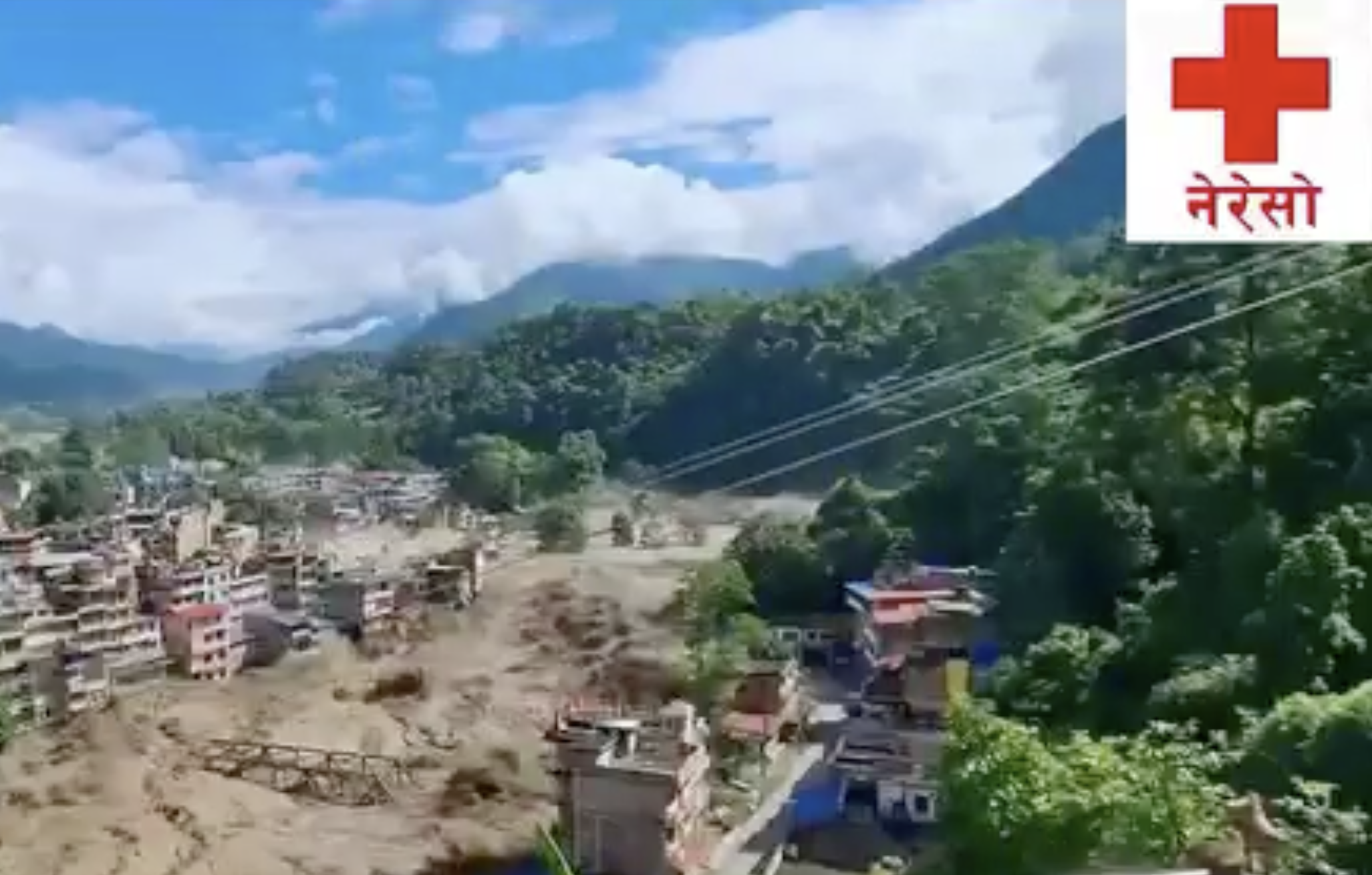
On 26 August 2026, hundreds of people were killed or reported missing in a disaster linked to flash floods in Nepal, according to the World Meteorological Organization’s account. The report places the event in a fast-moving emergency timeline: the scale of the loss was already being described in the hundreds, while the situation remained active.
An update from NDRRMA, cited by the WMO, supplied more specific figures. At 6:20 p.m. local time on 27 August, 359 bodies had been recovered and 73 people were injured. Because the figures are tied to a stated date and time, they should be read as a snapshot of the response at that moment.
Search and rescue operations were still continuing on 27 August, and several people remained missing. That status is significant for interpreting the numbers: the report distinguishes bodies recovered, people injured and people still missing instead of collapsing them into one undifferentiated total.
The same 27 August update said that about 10,000 households needed immediate assistance. This household figure adds a measure of urgent need to the casualty and recovery information, showing that the account concerns both the ongoing search and the immediate consequences for affected households.
The wording also preserves the distinction between an immediate assistance requirement and the work of locating people. One describes a need among households; the other describes an operation that was still under way at the time of the update.
For verified reporting, the chronology matters. The 26 August account records a disaster in which hundreds had been killed or were missing. The following day’s update records the recovery of 359 bodies, 73 injured people, continuing rescue work, several people still missing, and approximately 10,000 households needing immediate help. These are related but separate indicators, and they do not carry the same meaning.
Read together, the figures document an unfolding emergency rather than a settled final toll. The WMO account shows what had been reported at each point: severe loss on 26 August; a dated NDRRMA update on 27 August; and continued efforts to find people while households required assistance. That framing keeps the available information precise without extending it beyond the reported record.