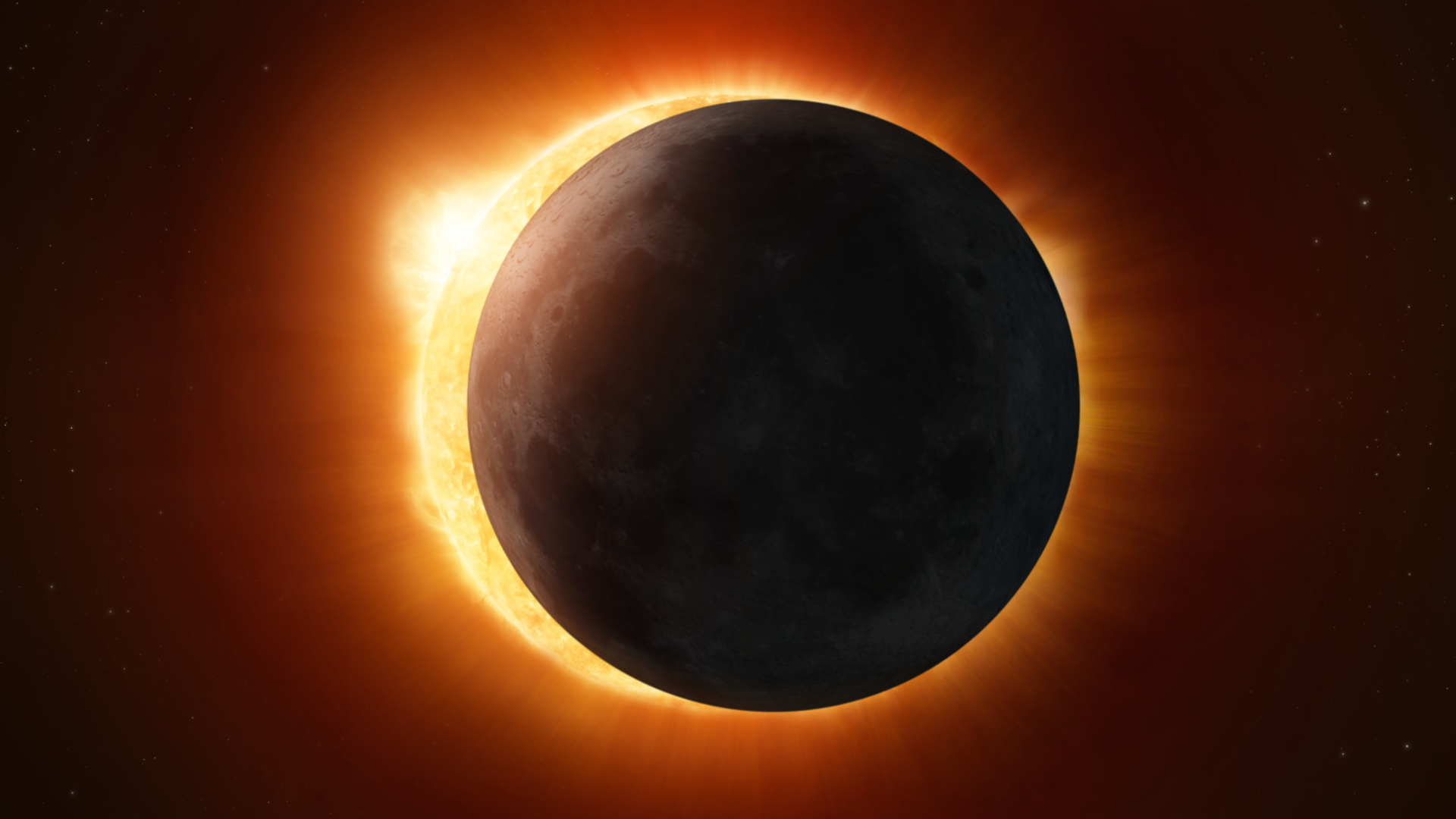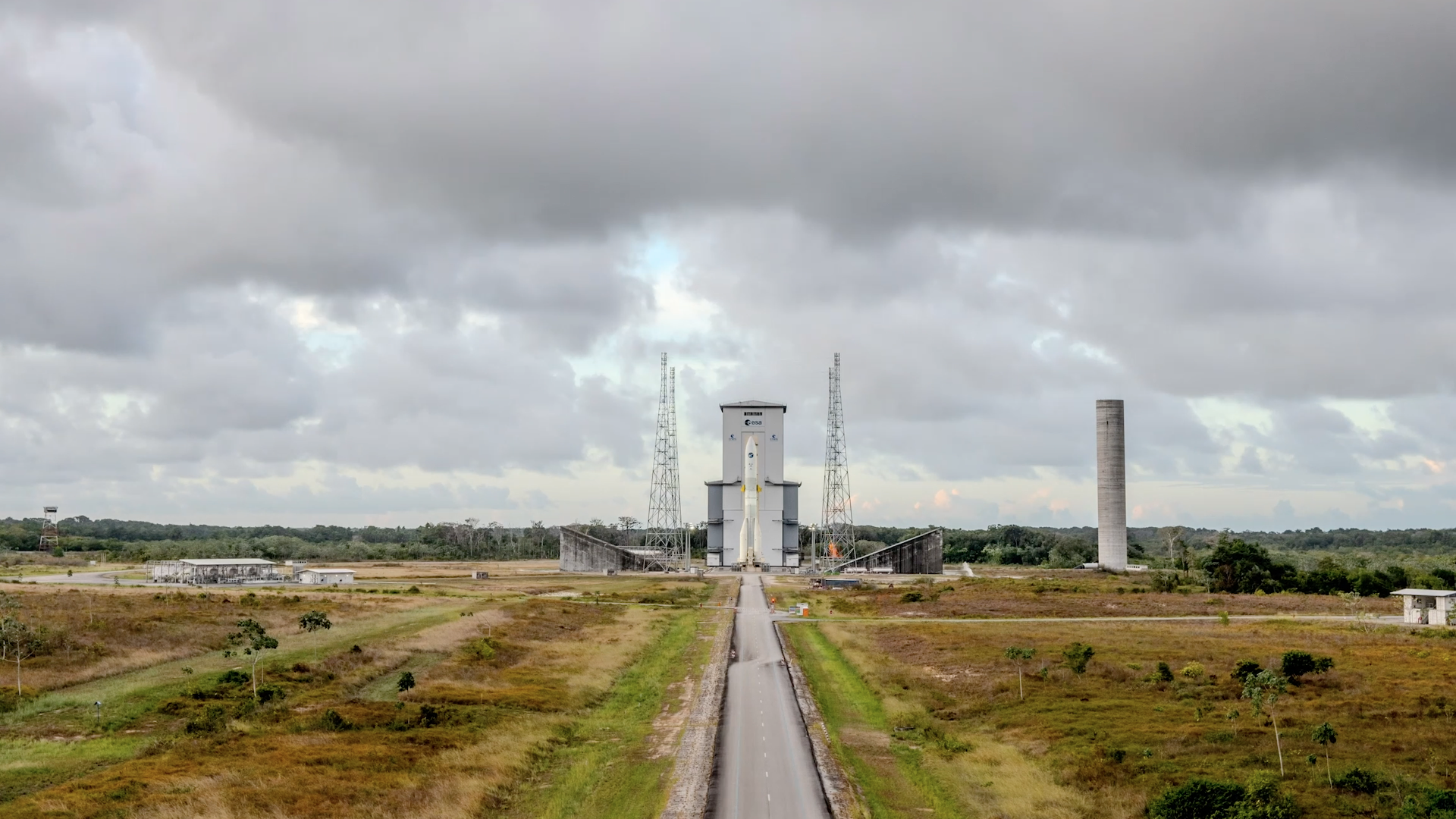
NASA-funded teams will take advantage of the total solar eclipse crossing the North Atlantic and Europe on 12 August 2026. While most observers will experience the event as a brief change in daylight, researchers will use the Moon’s shadow as a moving laboratory: a NASA WB-57 aircraft will record the solar corona from above the clouds, while student teams launch scientific balloons in Iceland and Spain to measure changes in Earth’s atmosphere.
The campaign matters because a total eclipse briefly removes the Sun’s bright disk from view. That makes the corona—the Sun’s outer atmosphere—visible from Earth and gives scientists a rare opportunity to observe structures and rapid changes that are otherwise difficult to isolate. NASA’s science teams are not simply documenting a spectacle; they are testing how coordinated observations from the air and near the ground can improve knowledge of the Sun and its influence on the atmosphere around us.
A high-altitude view of the corona
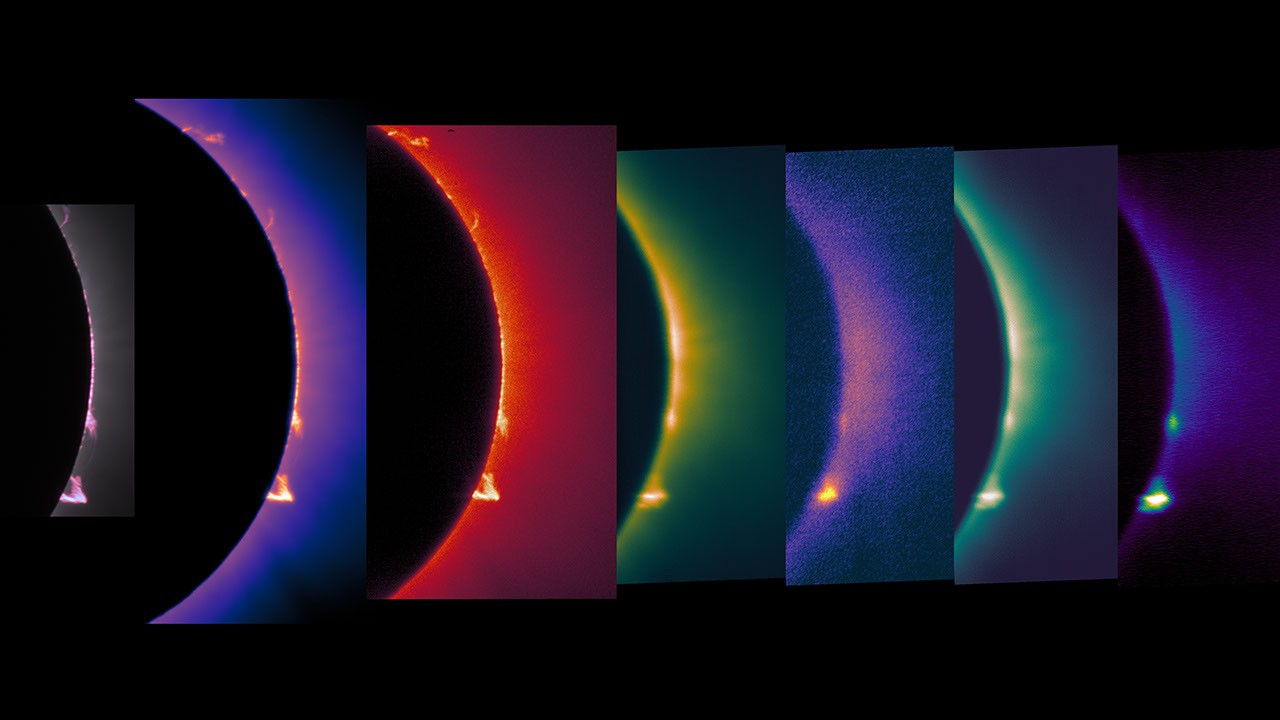
The WB-57 will carry the SCIFLI Multispectral Airborne Imager, or SAMI, a suite of four cameras operating across visible and infrared wavelengths. NASA says the cameras are expected to capture at least 20 images per second, allowing the team to follow prominences, outflows and other fast-changing features in the corona. The observations will also address a long-standing question: why the corona reaches temperatures of nearly one million degrees, far hotter than the visible surface below it.
Flying with the Moon’s shadow extends the observation window. NASA expects the aircraft to travel along the eclipse path at about 460 miles per hour, allowing the cameras to watch the corona for nearly three minutes. From the ground, the longest view of the corona will last two minutes and 18 seconds. The aircraft will operate at 50,000 feet, above clouds that could block a ground-based view and high enough to access some infrared wavelengths absorbed by the lower atmosphere.
The 2026 flight builds on imagery collected during the total eclipse of 8 April 2024. NASA reports that the team has adjusted exposure times to avoid overexposing bright features and will use software developed since 2024 to process and analyse the data sooner. Those are improvements to the observation and analysis process, not results from the upcoming eclipse: the new measurements will only be available after the campaign has flown and the data have been assessed.
Balloons will track the atmosphere’s response
A second part of the NASA-supported campaign will study what happens closer to Earth when daytime light suddenly fades. The Nationwide Eclipse Ballooning Project, led by Montana State University, is sending student teams from several U.S. universities to Iceland and Spain. Their measurements will focus on the boundary layer, the part of the atmosphere that touches the ground and responds to surface temperature and moisture.
In Iceland, two teams plan to launch a total of 80 balloons from 18 hours before the eclipse until eight hours afterward. Earlier balloon flights during the October 2023 and April 2024 eclipses found that the boundary layer collapsed, or became thinner, at locations with clear skies but not at cloudy sites. Scientists want to know whether the result will be different in Iceland, where August brings long days and short nights. That seasonal setting could change how strongly the usual day-night cycle influences the boundary layer.
In Spain, three teams plan to launch six balloons fitted with 360-degree cameras and instruments to measure ozone. Ozone forms in sunlight, and similar experiments recorded a decrease during totality in April 2024. The new observations will help researchers assess whether the later time of day and different season alter that response. Again, these are questions the campaign is designed to investigate, not confirmed findings about the 2026 eclipse.
What observers can follow
The path of totality will cross Greenland, Iceland, Spain and a small area of northeastern Portugal, with totality also visible over parts of northern Russia and the Atlantic. Many other locations, including much of Europe, parts of Canada and the northern United States, will see a partial eclipse. NASA plans to stream coverage from 1:15 p.m. Eastern Daylight Time on 12 August, including views from Iceland and Spain. ESA will also host an English-language broadcast from the Observatorio Astrofísico de Javalambre in Spain and connect the event with its solar-science missions, including Solar Orbiter, Smile and Proba-3.
Safe viewing remains essential. During every partial phase, observers must use certified solar-viewing glasses or a safe handheld solar viewer; ordinary sunglasses are not sufficient. A camera, telescope or binoculars must have a special-purpose solar filter attached to the front of the instrument, because placing eclipse glasses behind the optics can cause serious eye injury. An indirect method, such as a pinhole projector, avoids looking at the Sun altogether. Only during the short period of totality, when the bright solar face is completely covered, is it safe to look briefly without eye protection—and glasses must go back on as soon as the Sun begins to reappear.
For orbitandclimate readers, the value of this eclipse is therefore twofold. It is a visible event across several regions, but it is also a tightly timed experiment linking solar physics, atmospheric science and student-led measurement. The aircraft will examine the Sun’s outer atmosphere while the balloons record how the temporary loss of sunlight propagates through the lowest layers of Earth’s atmosphere. The observations will not answer every question immediately, but they should give researchers a better set of measurements with which to compare the next eclipse.