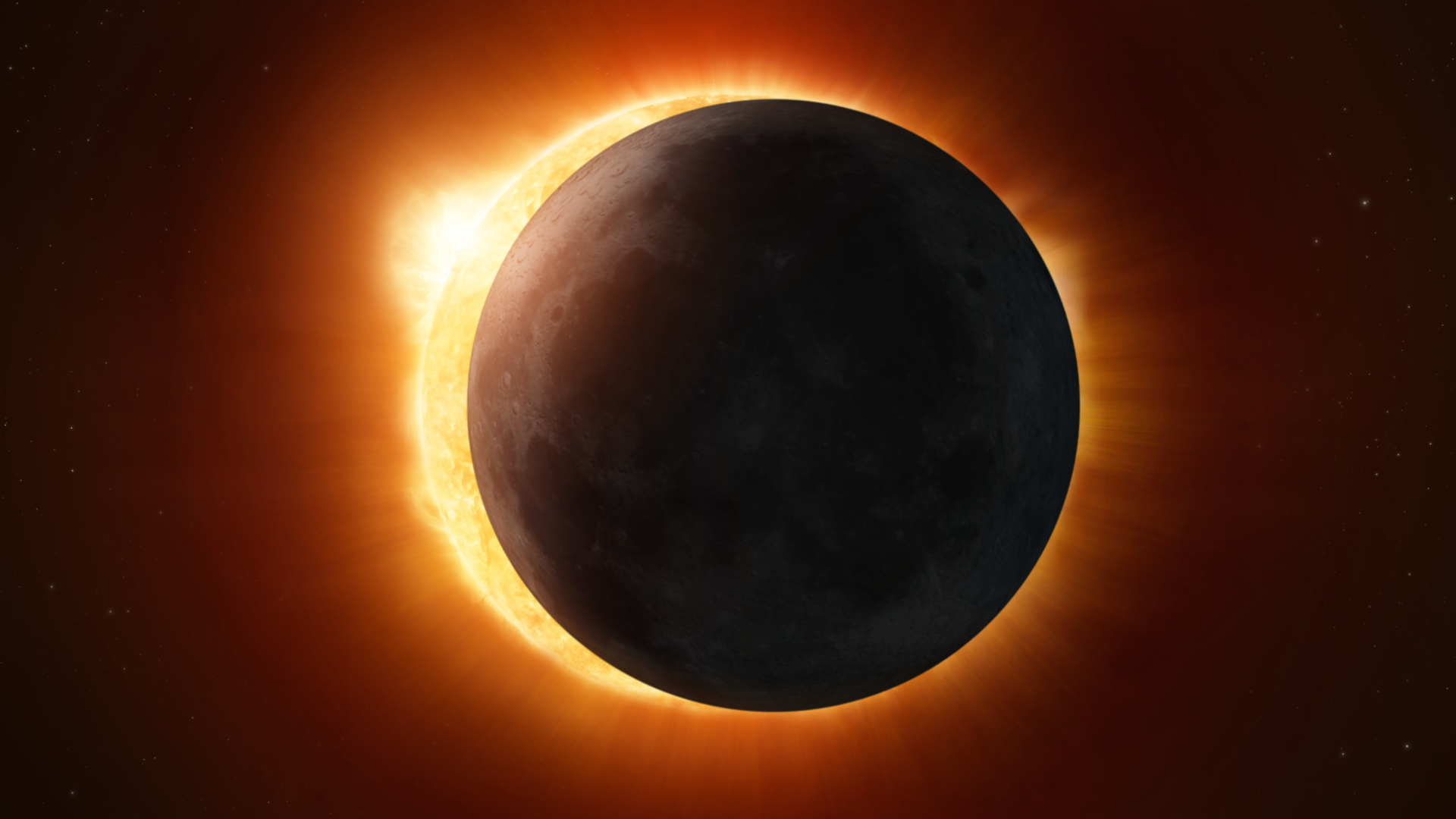
The European Space Agency, the City of León and the University of León scheduled a free public programme for the total solar eclipse on 12 August 2026. The event was planned at León’s Palacio de Exposiciones y Congresos, according to the ESA event notice, listed by ESA in its Science & Exploration coverage on 23 July.
A full day of public activities
The programme was designed to extend beyond the eclipse itself. From 10:00 to 14:00 CEST, visitors could attend indoor workshops, experiments and hands-on activities for all ages at the Palacio de Exposiciones y Congresos. Entry was free, the programme was open to everyone and advance registration was not required.
The evening schedule was due to begin with doors opening at 17:30 CEST. From 18:30 to 21:45 CEST, an outdoor stage programme was planned to combine scientific presentations with expert commentary on the eclipse’s different stages and the phenomena visible in the sky. The stage programme was to be held in Spanish, while some workshops were available in both Spanish and English.
León was inside the totality path
Location was central to the event’s appeal. León was one of only a few places from which the eclipse’s total phase could be seen. ESA’s notice said totality would be visible only from Greenland, Iceland, northern Spain and a small area of north-eastern Portugal.
Observers outside that path could still access explanations and demonstrations through the programme, but the notice does not establish which phase of the eclipse would be visible from any other location. That limitation matters for anyone deciding between travelling to León and following the event remotely.
Free eclipse glasses, with an important safety rule
Certified eclipse glasses were due to be distributed free of charge while supplies lasted. They were required whenever any part of the Sun remained visible. Direct viewing was described as safe only during totality, when the Moon completely covered the Sun.
People watching remotely would not face the same direct-viewing issue, although the online broadcast would not reproduce the in-person programme at León. The distinction between the local experience and the remote option therefore remained significant even though both were part of the same public event.
An English livestream from Teruel
ESA also planned a live broadcast from the Observatorio Astrofísico de Javalambre in Teruel. The English stream was scheduled for about 19:30 CEST on 12 August via ESA Web TV and YouTube. Because the notice gives an approximate time, it does not establish the exact start time or whether the broadcast ultimately took place.
The announcement set out a free, registration-free event in the totality path, bilingual access for some activities and an English online option. It did not confirm attendance, weather conditions, the number of glasses available or whether every scheduled activity took place.
The schedule and access arrangements were announced in advance. On the supplied facts, the event’s final outcome on 12 August cannot be confirmed.