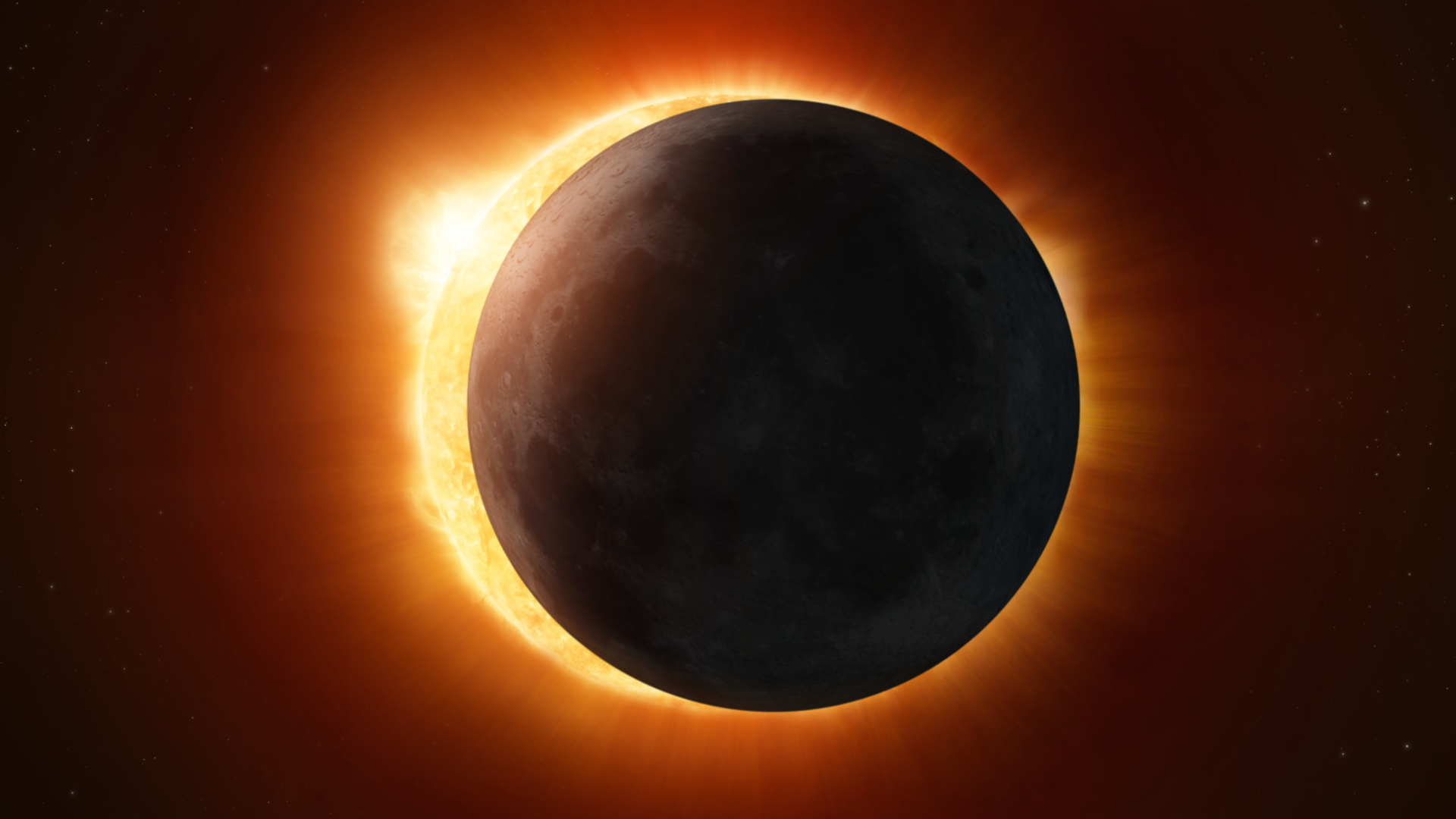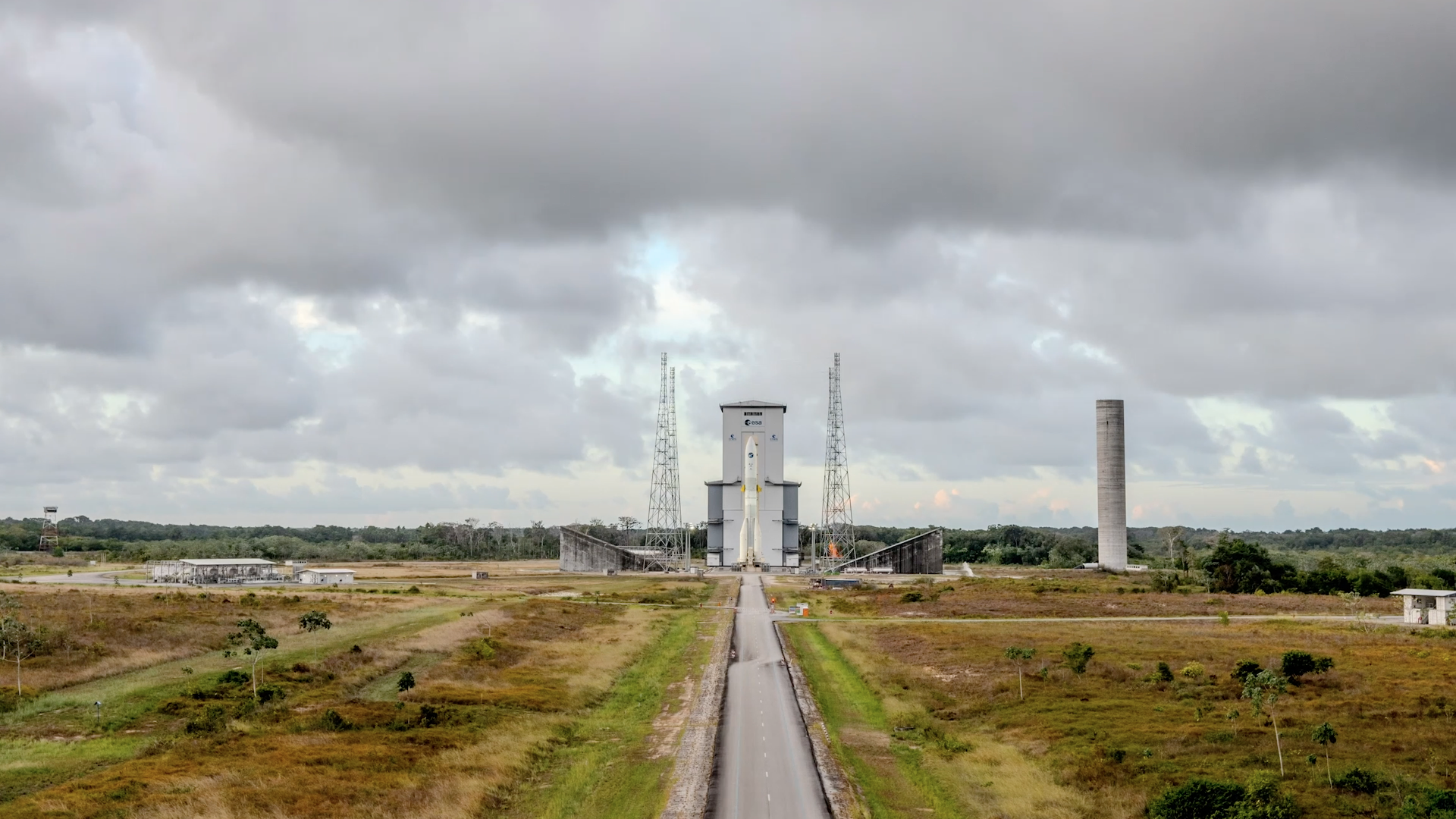
With a total solar eclipse due to cross Europe on Wednesday 12 August, the European Space Agency has published a final set of viewing plans for people who want to follow the event in person or online. The announcement brings together the eclipse path, a public programme in León, Spain, and an English-language broadcast from the Observatorio Astrofísico de Javalambre in Teruel. It also links the event to ESA missions studying the Sun and its effects on Earth.
Totality—the brief interval when the Moon completely covers the Sun—will be visible along a narrow track crossing Greenland, Iceland, northern Spain and a small area of northeastern Portugal. Much of the rest of Europe will see a partial eclipse, in which the Moon covers only part of the solar disc. ESA says Spain offers the largest area of totality in Europe for this event, while the agency’s wider programme is designed to make the science accessible beyond the central path.
How to follow the eclipse from home
ESA’s latest viewing update, published on 5 August, sets the online broadcast for 19:30 to about 20:45 Central European Summer Time on 12 August. It will be available through ESA Web TV and the agency’s YouTube channel, and will be presented in English. The programme will be hosted by science communicator Dame Dr Maggie Aderin and will include ESA Director of Science Professor Carole Mundell, scientists Andy To, Miho Janvier and Martin Hewitson, and Javier Cenarro, director of the Javalambre observatory.
The broadcast is intended to combine live interviews and explanations with observations from the ground. ESA expects its coverage of totality at Javalambre to last 1 minute and 21 seconds, beginning at 20:31 CEST. Telescope feeds and views from other locations inside the path of totality are planned, giving viewers a way to compare the changing light and landscape without needing to travel.
That timing matters for viewers outside Europe. The eclipse itself will be visible only where the geometry of the Moon’s shadow allows it, but ESA’s webcast is designed to be followed from anywhere with an internet connection. The agency has also published maps of the global path and of totality across Spain so observers can check whether their location will experience total or partial coverage.
What ESA is preparing in León
In León, ESA is working with the city and the University of León on a free public event at the Palacio de Exposiciones y Congresos. No registration is required. Indoor workshops and hands-on activities are scheduled for 10:00–14:00 CEST, covering the science of the Sun and eclipses as well as space missions and astronomy. The evening programme moves outdoors: gates open at 17:30, with the main stage programme running from 18:30 to 21:45.
The stage programme will be in Spanish, while some daytime workshops will be offered in Spanish and English. ESA says certified eclipse glasses will be available while stocks last, but visitors should plan as if they will need to bring their own safe viewing equipment. The event is intended to support observation and learning; it is not a substitute for checking local weather, access arrangements or the latest programme information before setting out.
Eye safety remains the essential preparation
ESA’s safety advice is straightforward: ordinary sunglasses are not safe for looking at the Sun. Certified eclipse glasses that meet the relevant safety standards should be worn whenever any part of the solar disc is visible, including during the partial phases before and after totality. A filter should be inspected before use and should not be used if it is damaged, scratched or otherwise compromised.
Only during totality, when the Moon completely covers the Sun, is it safe to look briefly without eye protection. Protection must go back on before the Sun begins to reappear. People who are unsure whether totality has begun should keep their glasses on and follow instructions from a trusted astronomical organisation or event team. Indirect viewing methods are another option for those who do not have certified solar filters.
A public event with a wider science context
For ESA, the eclipse is more than a calendar spectacle. It offers a clear way to explain how the Sun’s outer atmosphere becomes visible when the bright solar disc is covered, and how observations of the Sun connect to space-weather research. The agency points readers towards Solar Orbiter, Smile and Proba-3, missions that investigate the Sun, the solar wind and the interaction between our star and Earth’s space environment.
The eclipse itself will not produce a new mission result, and ESA’s announcement does not claim one. Its value is practical and educational: it gives the public a verified timetable, a safe-observation reminder and access to experts who can put the event into a broader scientific setting. For readers planning to watch on 12 August, the key steps are to confirm the local phase, prepare certified eye protection and use ESA’s live stream if totality is outside reach.
What to check before 12 August
- Confirm whether your location is inside the path of totality or will see a partial eclipse.
- Use certified eclipse glasses whenever any part of the Sun is visible; never substitute ordinary sunglasses.
- If attending León, check the official programme and arrive with water, sun protection and a viewing plan.
- If watching remotely, open ESA Web TV or YouTube before the 19:30 CEST start time.
ESA’s announcement and its follow-up viewing guide provide the current public timetable and safety information for the event. Further changes, if any, should be checked on the agency’s official eclipse page before the broadcast or a journey to a viewing site.
Sources: ESA announcement, ESA live broadcast guide and ESA León programme.