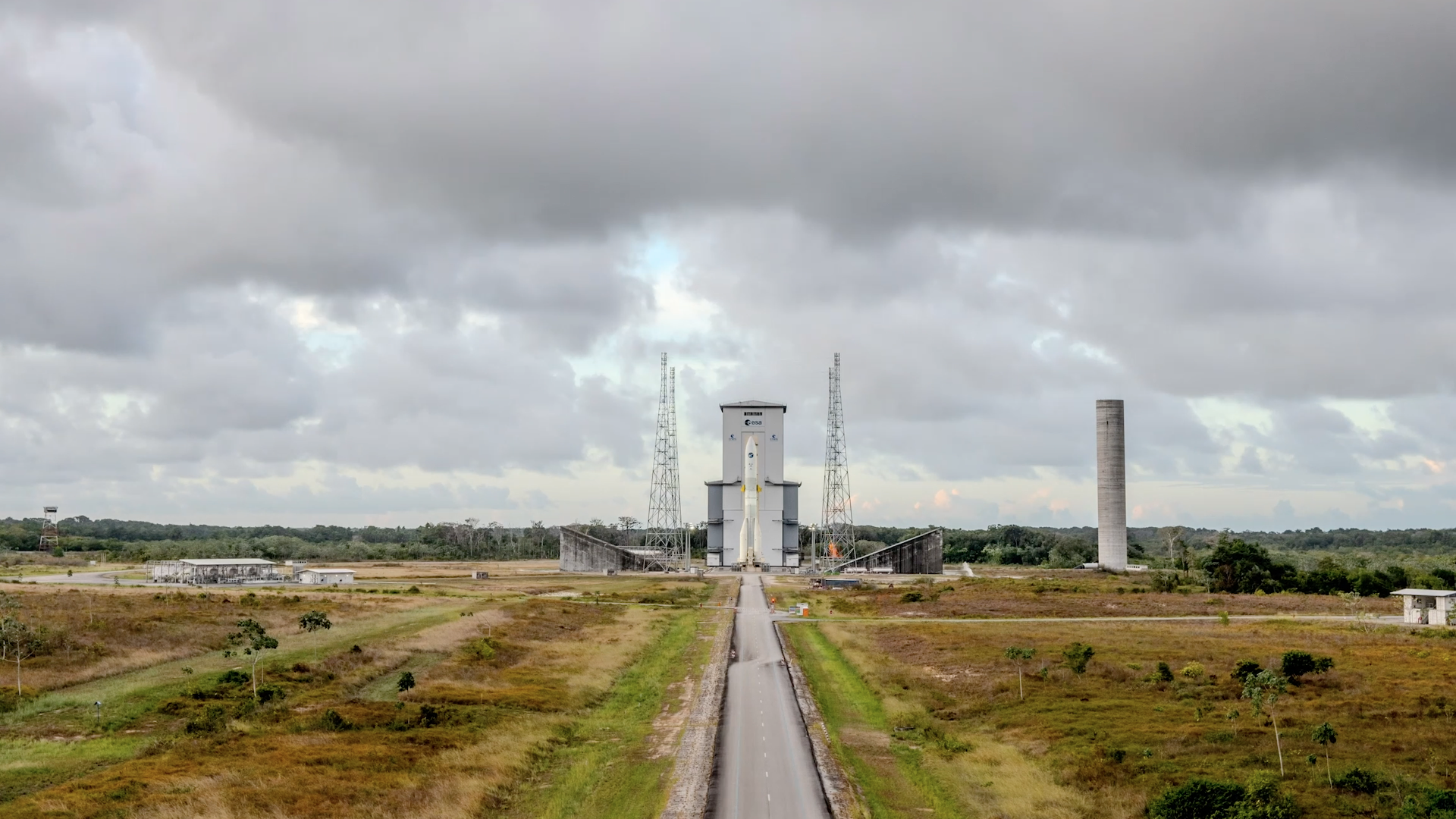

ESA has scheduled a media briefing for the next major step in Europe’s weather-observation programme: the planned launch of the Meteosat Third Generation Imager 2 (MTG-I2) satellite. In its official announcement on 10 August, the agency said MTG-I2 is due to launch on 27 August aboard an Ariane 6 rocket from Europe’s Spaceport in French Guiana. The mission would be the rocket’s first flight to geostationary orbit.
What ESA has confirmed
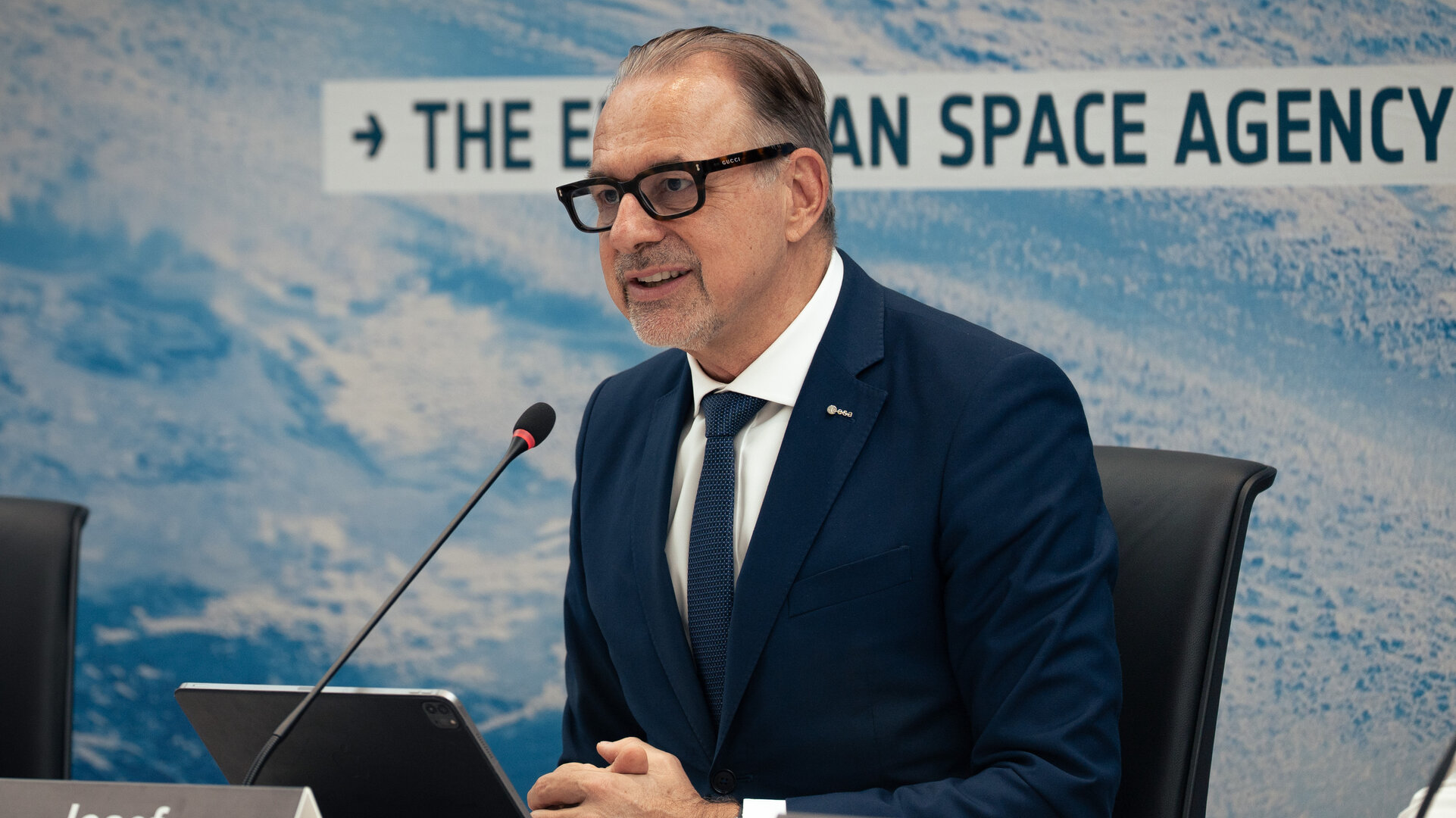
The announcement is a media invitation, not a launch confirmation. ESA has scheduled three online briefings for 19 August, in English, French and German, ahead of the flight. The English session is set to include representatives from ESA, EUMETSAT, Arianespace, Thales Alenia Space and the UK Met Office. The agency also invited media to attend the launch event at its European Space Research and Technology Centre in the Netherlands.
That distinction matters. The launch date is a plan, and the satellite will not be providing new operational data until it has reached orbit, completed its commissioning work and been accepted for service. What ESA has announced now is the schedule and the intended role of the mission, not a result already achieved.
MTG-I2 is the third satellite in the Meteosat Third Generation constellation operated for EUMETSAT. One MTG-Imager and one MTG-Sounder are already in orbit. The new satellite is designed to add another high-resolution imaging platform, strengthening the system’s ability to watch rapidly changing weather over Europe and North Africa.
Why the instruments matter
MTG-I2 carries two instruments. The Flexible Combined Imager is intended to follow the development of cloud systems and other fast-moving weather features. ESA says it can scan the full Earth disc in 10 minutes and revisit Europe every 2.5 minutes. Those figures describe the planned observing capability, not a guarantee that every storm will be resolved equally well or that warnings will become automatic.
The second instrument is a Lightning Imager. From geostationary orbit, around 36,000 kilometres above the equator, it is designed to detect lightning continuously, day and night. ESA says the instrument can monitor more than 80% of the Earth visible from that viewpoint. Frequent lightning observations can give forecasters another signal when convective systems are intensifying, alongside radar, surface stations, aircraft reports and other satellites.
The combination is most relevant to nowcasting: the short-range assessment of weather that is already developing. More frequent imagery can help meteorological services track the growth and movement of severe storms, while lightning observations can add information about electrical activity within those systems. The benefit is therefore incremental and evidence-based. MTG-I2 will become one component of a wider forecasting network, not a standalone warning system.
Beyond the launch headline
ESA also describes MTG as a climate-monitoring resource. Long-running satellite observations are valuable because they create consistent records of clouds, atmospheric features and surface conditions across large areas. A single new satellite cannot establish a climate trend by itself, but continuity and higher-frequency measurements can improve the quality of the data available to researchers and operational agencies.
When the full MTG system is operational, ESA expects it to generate at least 50 times more data than the previous Meteosat Second Generation satellites. That is a projected system-level comparison, not a measurement of MTG-I2 alone. It also implies a practical challenge: more observations need to be processed, quality-controlled, distributed and interpreted before they can improve a forecast or climate record.
The satellite’s progress can be followed through official ESA updates. A July image record documented a fit check between MTG-I2 and its launch-vehicle adapter at the spaceport, a physical verification intended to catch interface problems before launch. That milestone supports the picture of a mission moving through launch preparations, but it does not remove the remaining risks associated with the rocket flight, orbital insertion or commissioning.
What to watch next
The next verifiable milestones are the 19 August briefings, the launch attempt planned for 27 August and the subsequent checks that will determine whether MTG-I2 can enter service. If the schedule holds, the mission will extend Europe’s geostationary view of weather at a time when rapid storm development and climate monitoring both demand reliable observations. Until those milestones occur, the responsible reading is straightforward: ESA has announced a significant observing mission and a timetable, while its operational performance remains to be demonstrated in orbit.